

What Routine Maintenance Does Every Car Need?

When you invest in a vehicle, especially a premium one from Genesis, regular maintenance is more than just upkeep. It’s a form of protection. At Genesis of Littleton, we believe routine maintenance helps preserve performance, safety, and long-term value. So, what services should every driver stay on top of?
While specific timelines vary by make and model, several key services apply to nearly every vehicle. Staying consistent with these tasks not only helps your car run better but also ensures it holds more value down the road.
Here’s what should be on your maintenance radar.
Oil and Filter Changes
If there’s one thing your engine can’t live without, it’s clean oil. Motor oil lubricates moving parts, keeps temperatures down, and prevents sludge from forming inside your engine.
Most vehicles require an oil change every 5,000 to 7,500 miles, although synthetic oil can often stretch that interval even further. Each change also includes a new filter to trap harmful debris. Ignoring oil changes can cause costly engine damage or reduce your fuel efficiency.
Many drivers ask, “Do oil changes really make a difference in how long my car lasts?” The answer is yes—missing them even a few times can lead to premature engine wear, reducing reliability and future resale potential.
Tire Inspections and Rotations
Your tires are your car’s only contact with the road, making them vital to your safety and comfort. Regular tire rotations—every 6,000 to 8,000 miles—ensure even wear, helping all four tires last longer.
Beyond rotating them, checking tire pressure, inspecting tread depth, and scheduling occasional alignments will keep your ride smooth and predictable. Poorly maintained tires can also affect fuel economy and increase wear on suspension components.
One question we often hear is: “Do I really need to rotate my tires if they look fine?” Even wear isn’t always visible at a glance, and rotating them helps maintain proper handling and tire life, especially on vehicles with all-wheel drive or front-heavy designs.
Brake Service and Inspection
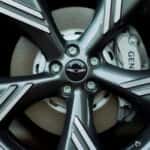 Brakes wear over time, especially in city traffic or hilly terrain like we see around Littleton. That’s why your brakes should be inspected at least once a year—more often if you hear squealing or grinding.
Brake pads typically last 25,000 to 70,000 miles, depending on your driving style. Replacing them before they wear out protects your rotors and helps maintain consistent stopping power. Brake fluid should also be flushed every two to three years to prevent moisture buildup that can corrode internal parts.
Wondering how to know when it’s time? If you notice a soft brake pedal or your vehicle pulling to one side when braking, it’s time to have your brakes inspected immediately. Minor fixes now prevent bigger problems later.
Battery Health Checks
Most drivers don’t think about their battery until the day it won’t start. The average battery lasts three to five years, but cold weather, short trips, and infrequent use can shorten its lifespan.
Routine service visits usually include a battery test, which checks voltage and internal health. Replacing a weak battery before it dies helps you avoid being stranded, especially during the winter months when power demands increase.
If you’re asking, “Can a weak battery cause other issues?”—absolutely. An inconsistent power supply can affect electronics, cause warning lights to appear, and stress the alternator over time.
Fluid Levels and Flushes
While oil is the most talked-about fluid, your car depends on several others to run properly:
- Coolant keeps your engine from overheating
- Transmission fluid ensures smooth shifting
- Brake fluid supports hydraulic pressure
- Power steering fluid helps with control
- Washer fluid maintains visibility
Each needs to be checked and topped off regularly. Depending on the system, full flushes are often recommended every 30,000 to 60,000 miles. Neglecting them can lead to overheating, transmission slips, or brake failure.
Drivers often wonder, “How do I know when it’s time for a flush?” Your technician can check fluid color and condition during routine service, and your owner’s manual includes suggested intervals for each.
Air Filter Replacements
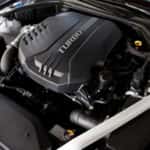
Engines need clean air to run efficiently, and so do passengers. Your vehicle has two primary filters: one for the engine and one for the cabin. Dirty filters can reduce fuel efficiency and worsen air quality.
Depending on driving conditions, engine air filters typically last 15,000 to 30,000 miles. Cabin air filters should be replaced annually or whenever airflow becomes weak or dusty.
A common question we hear is, “Can a dirty filter really impact performance?” Yes—it restricts airflow, which forces your engine to work harder. Plus, a clean cabin filter improves in-car comfort for you and your passengers.
Multi-Point Inspections
Many routine services include a multi-point inspection, which gives technicians a chance to look over belts, hoses, lights, wiper blades, suspension, and more. Think of this as a wellness checkup for your car.
These inspections help catch small issues, like cracked belts or worn bushings, before they turn into major repairs. Even if nothing’s wrong, they provide peace of mind and help you plan for future needs.
One benefit that’s often overlooked is how inspections help maintain your service history. Consistent records show that your vehicle has been cared for, which can positively impact your car’s overall worth when you decide to trade it in.
If you’re new to this process or just want a clearer picture of how things work, our article Understanding the Basics of Car Maintenance offers a helpful breakdown of each system and why regular service matters, giving you a sense of control over your vehicle’s health.
How Routine Maintenance Affects Long-Term Value
If you’re planning to upgrade your vehicle in the next year or two, regular service isn’t just for performance—it’s a smart financial move. When evaluating a car for trade-in, dealerships pay close attention to service records, condition of components, and signs of preventative care. These factors can significantly affect your car trade-in value, even on luxury models.
Keeping up with scheduled maintenance demonstrates that you’ve treated your car with care. That goes a long way when you’re ready to sell or swap it for something new.
Ready to Stay on Schedule? We’re Here to Help
Routine maintenance isn’t something to put off. It keeps your car running like new and ensures you get the most from it, both now and when it’s time to move on.
At Genesis of Littleton, our expert technicians are here to guide you through every service milestone. Whether it’s your first oil change or you’re preparing for an upcoming trade-in, we’ll make sure your car gets the attention it deserves. Schedule your next appointment today and protect your car’s performance, safety, and long-term value with confidence.

0 comment(s) so far on What Routine Maintenance Does Every Car Need?